Your Recovery Doesn't Need Ten Programs
The pressure to offer a buffet of recovery programs is real, but states that focus on one or two pressing needs and deliver them well consistently outperform those that try to do everything.

When a disaster hits, the pressure to respond comprehensively is enormous. Every stakeholder has a different priority. Housing repair, reconstruction, buyouts, rental assistance, homeowner counseling, down payment assistance — the list of legitimate needs is long, and every item on it has advocates pushing for attention.
The temptation is to address everything. Build a diversified portfolio of programs. Show the community and HUD that you’re covering all the bases. On paper, it looks great — a robust, multi-pronged recovery effort.
In practice, it’s often a recipe for delivering nothing well.
The Buffet Problem
I call it the buffet approach to recovery. States lay out ten or twelve programs covering every possible need. Each one gets a slice of the funding. Each one needs its own policies and procedures, its own staffing, its own technology platform, its own outreach strategy.
The result? Programs that are individually underfunded and understaffed. Eligibility criteria that are unnecessarily complex because you’re trying to sort applicants across too many options. Case managers stretched across multiple program types who can’t develop deep expertise in any of them. Beneficiaries who are confused about which program to apply for and frustrated by the process.
And here’s the worst part: when you spread resources across too many programs, the ones that matter most don’t get the attention they deserve. The housing repair program that could have been excellent with full funding becomes mediocre with a third of what it needed. The rental assistance program that could have launched quickly takes six months longer because the team was simultaneously standing up four other programs.
States end up with a lot of programs generating a lot of activity — and not enough of any of them actually moving families toward recovery.
Focus Wins
The states I’ve seen deliver the strongest recovery outcomes are the ones that make hard choices early. They look at their unmet needs data, identify the one or two most pressing problems, and put their resources behind solving those problems well.
That doesn’t mean ignoring other needs entirely. It means being honest about what you can realistically deliver at a high level of quality given your funding, your staffing, and your timeline. A focused program that serves its target population effectively is more valuable than a dozen programs that serve everyone poorly.
A state with massive homeowner damage and limited rental displacement should put the bulk of its resources into homeowner repair and reconstruction. Build the program right. Staff it properly. Invest in the technology and case management to process applications quickly and help families through the full repair journey.
A state facing a severe rental crisis should lead with rental assistance and stabilization. Design the program carefully, with strong tenant protections and realistic rent standards. Get it launched fast. Don’t dilute that effort by simultaneously trying to run a buyout program, a reconstruction program, and a small business loan fund with the same team.
Why It’s Hard to Focus
I understand why states resist this approach. Politically, it’s easier to offer something for everyone than to tell a constituency that their priority didn’t make the cut. HUD’s own guidance encourages comprehensive action plans that address a range of needs. Community advocates push for their issues to be represented.
But the consequences of trying to do everything are real. Implementation delays, underperforming programs, exhausted staff, and frustrated beneficiaries are the predictable results of spreading too thin. And those consequences have political costs of their own — the kind that show up in audits, in news stories about slow recovery, and in community meetings where families who’ve been waiting eighteen months for help want to know why.
Focused programs don’t just perform better operationally. They’re easier to communicate, easier to oversee, and easier to adjust when something isn’t working. They produce faster outcomes, which builds community confidence, which makes everything else easier.
Make the Hard Call
If you’re in the early stages of designing your recovery programs, resist the pressure to address every need with its own program. Study your unmet needs data. Talk to your communities. Identify the one or two things that, if done well, would have the biggest impact on recovery.
Then build great programs around those priorities. Staff them fully. Fund them adequately. Set clear timelines and hold yourself to them.
You’ll face pushback from people who wanted their issue to be the priority. That’s unavoidable. But two years from now, when your core programs are producing results and families are recovering, the decision to focus will look like the smartest call you made.
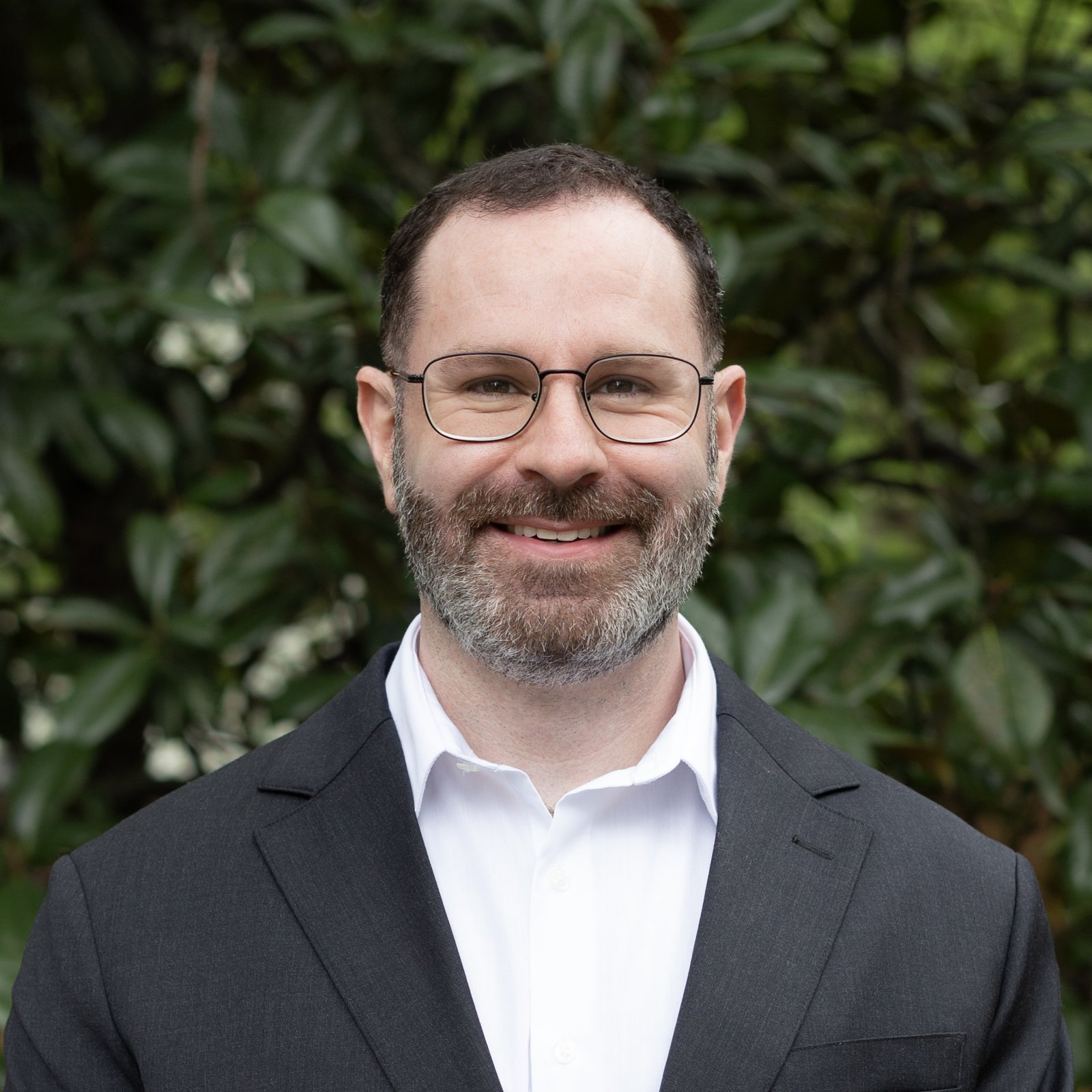
Matt Arlyn
Nationally recognized leader in disaster recovery and housing policy with 15+ years of experience guiding states through post-disaster recovery efforts. Matt has consulted for Louisiana, Texas, Puerto Rico, California, and North Carolina, helping communities rebuild stronger and more resilient.